
Community
Dallas police release video of suspect seen with weapon in Deep Ellum on Halloween
By Julia Ramirez
Advertisement · Why this ad?
Jordan Turner is a recent graduate of the University of Texas at Arlington with a degree in Journalism. Over the past 3 years, he has been writing for local magazines and blogs focusing on community projects and local government in McKinney.
More from Jordan →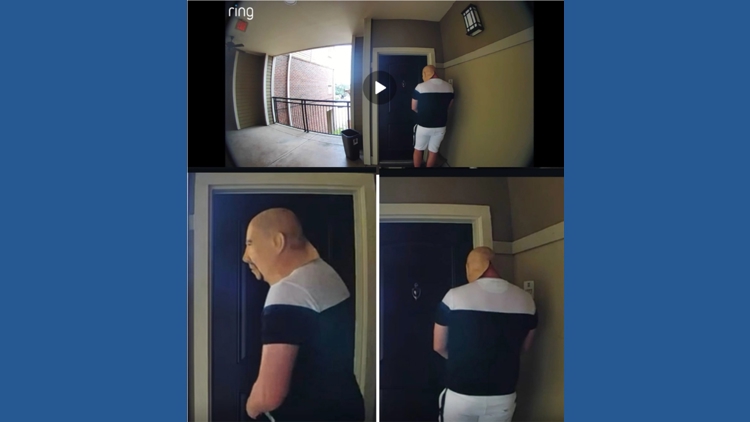
Imagine looking out your window, only to find a figure lurking in the shadows, a chill creeping up your spine. This nightmare became a reality for a McKinney resident who found herself the target of an alleged stalking incident that stretched across borders. Nikolay Sapov, a Canadian national, is now facing federal charges for stalking after he reportedly followed his former coworker from Canada to Dallas, Texas, creating a chilling tale that has left the community shaken.
According to authorities, the unsettling saga began in Canada, where Sapov allegedly developed an obsession with his former coworker. This fixation took a dangerous turn when he began to stalk her, leading him to travel through Florida and ultimately to McKinney, Texas. Law enforcement officials report that he was nearly caught in front of the victim's apartment, highlighting the seriousness of the situation. The federal indictment filed against Sapov outlines the charges he faces, which include stalking across state lines—an offense that carries significant legal repercussions.
The timeline of events reveals a disturbing pattern of behavior. After leaving Canada, Sapov's pursuit of the victim continued unabated, raising alarms among local authorities. The case underscores the growing concern over stalking and harassment, particularly in our interconnected world where physical distance can be easily bridged by technology and determination.
As the details of this case emerged, it became clear that the victim was not just dealing with a personal crisis but was also confronting the broader implications of stalking in society. The emotional toll such experiences can take on victims is profound, often leading to long-lasting effects on their mental health and sense of safety. Many victims of stalking report feelings of anxiety, depression, and fear for their lives, which can disrupt their daily routines and relationships.
The news of Sapov's indictment has reverberated through the McKinney community, sparking conversations about safety, awareness, and the importance of supporting those who find themselves in similar situations. Local residents expressed shock and concern, with many emphasizing the need for vigilance in their neighborhoods. "It’s unsettling to think that something like this could happen here," said one concerned resident. "We always think of our community as safe, but we need to be aware that threats can come from anywhere."
Community leaders have also weighed in, urging residents to take stalking seriously and to report any suspicious behaviors. The McKinney Police Department has been proactive in addressing these concerns, offering resources and support for victims of stalking and harassment. They encourage anyone who feels threatened to reach out for help, emphasizing that no one should have to face such fears alone.
In light of this incident, local organizations are stepping up to provide additional support for victims. Groups like the McKinney Chamber of Commerce and various nonprofit organizations are working together to raise awareness about stalking and to offer resources for those in need. These initiatives aim to foster a community where individuals can feel safe and supported, reinforcing the idea that we are all in this together.
Additionally, local mental health professionals are becoming involved, offering counseling and support services for victims of stalking and their families. Understanding the psychological impact of such harassment is critical in the healing process. Mental health advocates emphasize the importance of addressing trauma and providing coping strategies to help victims regain a sense of control over their lives.
As the case against Sapov unfolds, it brings to light the legal framework surrounding stalking and harassment. Federal laws are in place to protect victims, and the consequences for offenders can be severe. Stalking is not only a violation of personal safety but also a crime that can lead to imprisonment and a permanent record. The legal system's response to such acts is crucial in ensuring justice for victims and deterring future offenses.
In Texas, the law defines stalking as engaging in conduct that would cause a reasonable person to fear for their safety or the safety of others. The penalties for stalking can range from misdemeanors to felonies, depending on the severity and nature of the behavior. This case serves as a reminder of the importance of understanding these laws and the protections they offer.
For those who may find themselves in similar situations, resources are available to help navigate the complexities of stalking and harassment. Organizations such as the National Coalition Against Domestic Violence and local law enforcement agencies offer support, guidance, and legal assistance. It is vital for victims to know that they are not alone and that help is within reach.
Furthermore, the McKinney Police Department has established a dedicated unit focused on domestic violence and stalking cases, providing specialized training for officers to handle these sensitive situations with care and understanding. This unit works closely with local shelters and advocacy groups to ensure that victims receive comprehensive support throughout the legal process.
Looking ahead, the McKinney community is focused on healing and prevention. As the legal proceedings against Sapov continue, local leaders are committed to fostering an environment where safety and support are paramount. Educational initiatives aimed at raising awareness about stalking and its implications are being planned, ensuring that residents are equipped with the knowledge they need to protect themselves and others.
Community forums and workshops will be organized to discuss the signs of stalking, how to seek help, and available resources. These efforts aim to empower individuals to take action when faced with threats and to build a stronger, more resilient community. Local schools and universities are also being invited to participate in these initiatives, recognizing the importance of educating younger generations about respect, boundaries, and the serious nature of stalking.
As we reflect on this unsettling incident, it’s a poignant reminder that safety begins at home and in our neighborhoods. By coming together and supporting one another, we can create a community that not only stands against stalking but also promotes strong, healthy relationships built on trust and respect.
In conclusion, the case of Nikolay Sapov serves as a wake-up call for all of us. It highlights the importance of vigilance, the need for community support, and the resources available to those facing threats. As McKinney continues to grapple with the implications of this case, let us remain united in our commitment to safety and the well-being of every resident. The fight against stalking is not just a legal issue; it is a community issue that requires collective action and awareness.
By Julia Ramirez
By Jordan Turner
By Julia Ramirez

By Jordan Turner