
Community
Tracking all midterm election race results in Texas
By Tommy Lee
Advertisement · Why this ad?
Lindsey is a graduate of Texas A&M University, with over five years of experience covering high school and college sports for local outlets. Her passion for sports shines through in her energetic coverage of local teams, athletes, and community events.
More from Lindsey →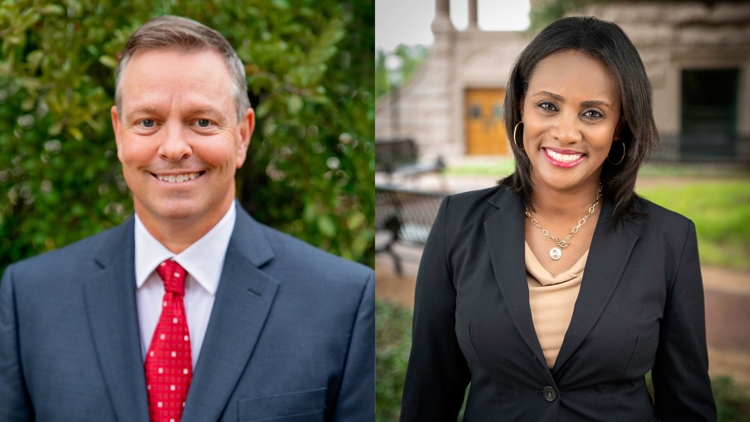
As the sun dipped below the horizon on a crisp November evening, the anticipation in Tarrant County was palpable. Friends and families gathered around their televisions, eagerly awaiting the election results that would determine the next Tarrant County judge. The atmosphere was electric, filled with hope and concern as voters reflected on the candidates who had tirelessly campaigned for their support. Among them were Tim O'Hare and Alisa Simmons, both of whom had dedicated their lives to public service and community engagement.
At the heart of the election were two distinct visions for Tarrant County's future. Tim O'Hare, a seasoned attorney with a background in public service, presented himself as a candidate focused on law and order, advocating for community safety and efficient government. His experience as a former mayor of Bedford and his work with various community organizations positioned him as a familiar face to many voters. O'Hare's supporters often cited his previous initiatives aimed at improving infrastructure and public safety in Bedford, which they believed could be replicated on a larger scale in Tarrant County.
On the other side, Alisa Simmons brought a fresh perspective to the race. With a background in social work and a commitment to addressing systemic issues within the county, she emphasized the importance of community engagement and transparency in governance. Simmons, who had served in various capacities within the local government, was determined to bring a collaborative approach to leadership, aiming to bridge gaps between different community groups. Her supporters highlighted her advocacy for vulnerable populations, including low-income families and individuals struggling with mental health issues, as a core reason for their backing.
The election was not just about two candidates; it was about the future direction of Tarrant County. Key issues that resonated with voters included public safety, economic development, and social justice. O'Hare's platform focused heavily on enhancing law enforcement resources and ensuring that the county's judicial system was efficient and effective. He argued that a strong community requires a strong legal framework to protect its citizens. His proposals included increasing funding for police training and community policing initiatives, which he believed would foster trust between law enforcement and residents.
In contrast, Simmons advocated for a more holistic approach to governance. She believed that addressing the root causes of crime and poverty was essential for creating a safer community. Her campaign emphasized the need for mental health resources, affordable housing, and educational opportunities for all residents. This dichotomy in their platforms sparked passionate discussions among voters, who weighed the merits of each approach. Many community members attended public forums to voice their opinions, sharing personal stories that highlighted the importance of addressing social issues alongside public safety. Such dialogues were crucial in shaping the narratives around both candidates.
Throughout the campaign, both candidates made a concerted effort to connect with the community. O'Hare held town hall meetings and participated in local events, where he listened to the concerns of residents and shared his vision for Tarrant County. His approachable demeanor resonated with many voters who appreciated his commitment to being accessible and accountable. O'Hare's campaign also focused on engaging younger voters, with initiatives that included social media outreach and partnerships with local schools to educate students about the electoral process.
Simmons, too, made significant strides in community engagement. She organized forums that encouraged open dialogue between constituents and local leaders, emphasizing the importance of collaboration. Her efforts to reach out to underrepresented communities showcased her dedication to inclusivity and equity in governance. Simmons's campaign also included a robust volunteer program, which empowered community members to participate actively in canvassing and voter registration drives. Both candidates recognized that the path to effective leadership lay in understanding the needs and aspirations of the people they aimed to serve.
The turnout for the election was impressive, reflecting the community's desire for change and engagement in the political process. Many residents took to social media to express their excitement and concerns leading up to the election. Local organizations played a vital role in mobilizing voters, ensuring that voices from all corners of Tarrant County were heard. This grassroots effort demonstrated the power of community in shaping the electoral landscape. Groups such as the Tarrant County League of Women Voters and various neighborhood associations organized events to educate voters on the candidates and issues at stake.
As the results began to roll in, the sense of unity and shared purpose among voters was palpable. Regardless of the outcome, many expressed pride in being part of a democratic process that allowed them to have a say in their future. The commitment to civic engagement was a testament to the strength of the Tarrant County community. Many residents noted that this election cycle had sparked a renewed interest in local politics, with individuals pledging to stay informed and involved beyond the election.
As the night progressed, the results began to come in, revealing a close race between O'Hare and Simmons. Each candidate's supporters watched anxiously as the numbers fluctuated, reflecting the divided sentiments within the community. With every update, the atmosphere shifted, reflecting the hopes and fears of countless residents who had invested their time and energy into the election. The close nature of the race underscored the deep divisions in the community regarding the priorities for Tarrant County's future.
The implications of the results were significant. A win for O'Hare would signal a continuation of a more traditional approach to governance, focusing on law enforcement and public safety. Conversely, a victory for Simmons would indicate a shift towards a more progressive agenda that prioritizes social justice and community welfare. Both outcomes would shape the future of Tarrant County and its residents for years to come. Community leaders were already discussing how to address the challenges that would arise from either outcome, emphasizing the need for ongoing dialogue and collaboration among diverse groups.
As the dust settled from the election, the community began to reflect on what lay ahead. Regardless of who emerged victorious, the engagement and enthusiasm demonstrated by voters highlighted a growing awareness of the importance of local governance. Many residents expressed a desire for continued dialogue and collaboration, recognizing that the challenges facing Tarrant County would require collective effort. Local advocacy groups and civic organizations were planning follow-up meetings to discuss how to maintain momentum and ensure that community voices continued to be heard in the political arena.
Moving forward, both candidates' campaigns had ignited a renewed interest in civic participation. Local organizations and community leaders were already discussing ways to keep the momentum going, ensuring that residents remained engaged in the political process. This election was not just about choosing a judge; it was about empowering a community to take an active role in shaping its future. The lessons learned from this election cycle could serve as a blueprint for future civic engagement initiatives, fostering a culture of involvement that could benefit Tarrant County for years to come.
By Tommy Lee
By Eli McBride

By Rafael Ortega
By Rafael Ortega