
Community
North Texas man dead following auto-bicyclist accident, police say
By Jordan Turner
Advertisement · Why this ad?
Julia Ramirez has over 15 years of experience in journalism, with a Master's degree in Journalism from the University of Texas at Austin. She previously served as the editor for the McKinney Courier-Gazette, where she honed her skills in local reporting and community engagement. Julia is passionate about storytelling that connects residents to their neighborhoods.
More from Julia →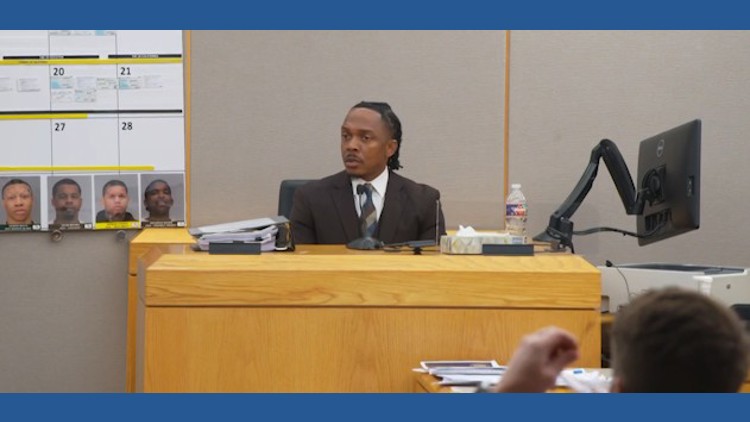
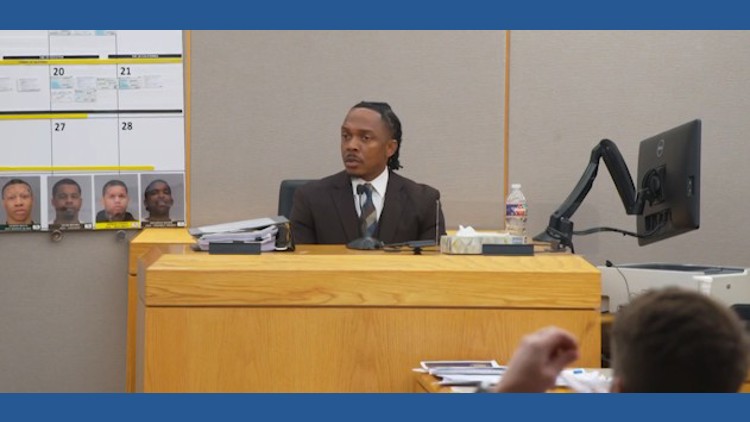
As the sun dipped below the horizon in Dallas, casting a warm glow over the city, a palpable tension filled the courtroom where the trial of rapper Yella Beezy was unfolding. In the witness stand, Detective David Johnson of the Dallas Police Department recounted the harrowing moment he learned of the murder of rising star Mo3 in November 2020. His voice steady yet somber, he painted a vivid picture of the chaos that ensued and the relentless pursuit of justice that followed.
On a fateful afternoon in November 2020, the music world was rocked by the news of Mo3's untimely death. The Dallas rapper, known for his powerful lyrics and authentic storytelling, was fatally shot on the Interstate 35E. Detective Johnson testified that the call came in at approximately 1:30 PM, sending shockwaves through the department. "It was a tragic day for the community and for those who knew him," he said, capturing the heartbreak felt by fans and loved ones alike.
The investigation that followed was extensive, involving numerous interviews and the review of surveillance footage to piece together the events leading up to the shooting. Detective Johnson, who has been with the Dallas Police Department for over a decade, emphasized the importance of community cooperation in solving such cases. "We rely on the community to provide us with information that can lead to justice," he noted, a reminder of the vital role that residents play in ensuring safety.
The murder of Mo3 sent ripples throughout the Dallas community, particularly among young aspiring artists who saw him as a beacon of hope. His music resonated deeply with many, reflecting struggles and triumphs that mirrored their own experiences. The trial of Yella Beezy, who was implicated in the case, has reignited discussions about violence in the music industry and its broader implications on community safety.
In the wake of Mo3's death, local organizations have rallied to address the root causes of violence and promote peace among youth. Initiatives such as community outreach programs have been launched to provide mentorship and support for young artists, encouraging them to channel their creativity into positive outlets. "We need to create an environment where young people feel safe to express themselves without resorting to violence," said community leader Angela Reyes.
Community members have expressed their grief and frustration over the loss of Mo3, with many attending the trial to show their support for justice. "Mo3 was more than just a rapper; he was a voice for our generation," said local artist Jamal Thompson. The courtroom was filled with friends and family members, each one hoping for closure and accountability in a case that has deeply affected their lives.
The emotional weight of the trial is palpable, with testimonies and evidence serving as a stark reminder of the fragility of life. The impact of Mo3's death has led to a renewed sense of urgency among residents to advocate for change. "We want to see a future where our children can pursue their dreams without fear of violence," Thompson added, embodying the collective hope for a brighter tomorrow.
As the trial progresses, the community watches closely, eager for answers and justice. The prosecution aims to establish a clear connection between Yella Beezy and the events that led to Mo3's murder, while the defense counters with their own narrative. Detective Johnson's testimony will play a crucial role in shaping the case, as he provides insights into the investigation and the evidence collected.
The proceedings are expected to continue for several weeks, with additional witnesses set to testify. Community members are encouraged to stay informed and engaged, as this trial represents more than just a legal battle; it symbolizes the fight for justice and healing in a community still reeling from loss.
The outcome of the trial holds significant implications for McKinney and the surrounding areas, particularly in how it addresses the ongoing issues of violence and safety. Local leaders are hopeful that this case will spark important conversations about community responsibility and collaboration in preventing such tragedies in the future.
As the trial unfolds, community forums have been organized to discuss the implications of the case and to foster dialogue among residents. These forums aim to empower citizens to voice their concerns and propose solutions to the violence that has plagued the area. Local leaders emphasize the importance of unity, stating that it is essential for the community to come together to address the underlying issues that lead to such tragic events.
In the wake of this trial, the community is committed to honoring Mo3's legacy through initiatives that promote peace and understanding. As families come together to support one another, there is a shared determination to build a future where love, faith, and commitment prevail over violence and despair. The hope is that through collective action, McKinney can emerge stronger and more united, ensuring that the dreams of its youth are nurtured in a safe and supportive environment.
As we look to the future, let us remember the lessons learned from this tragedy and strive to foster a culture of respect and understanding. In doing so, we not only honor Mo3's memory but also pave the way for a brighter, more harmonious community. The music scene in Dallas, once vibrant and full of potential, has the opportunity to evolve into a space where artists can thrive without fear, and where the community can support one another in healing and growth.
Moreover, the trial serves as a reminder of the need for comprehensive support systems for artists and youth in the area. Organizations are beginning to collaborate with schools, such as the McKinney Independent School District, to implement programs that teach conflict resolution and provide resources for mental health support. By investing in the well-being of young people, the community hopes to mitigate the factors that contribute to violence.
In addition to the programs already in place, there's a growing movement among local youth to take charge of their narrative. Initiatives led by young leaders in the community are gaining traction, with workshops and events aimed at empowering their peers. These gatherings not only serve as a platform for artistic expression but also as a safe space for discussing the challenges they face.
One such initiative, led by local rapper and activist Darius “D-Train” Williams, focuses on teaching young artists about the power of their voices. “We want to show them that they can use their art to inspire change,” Williams shared. “Mo3’s story is a reminder of what’s at stake, and we need to be the change we want to see.”
The involvement of local youth in these programs is crucial. It fosters a sense of ownership over their community and its future, encouraging them to engage in positive activities rather than falling into cycles of violence. As they rally around the memory of Mo3, they’re also creating a legacy of resilience and hope.
The community's response to Mo3's death exemplifies resilience. Many have come together to organize vigils and memorials, celebrating his life and contributions to music. These events have become a rallying point for those seeking justice, as well as a means of healing for those left behind. The outpouring of support has shown that while the loss is profound, the spirit of the community remains unbroken.
As the trial progresses, it is clear that the legacy of Mo3 will continue to influence the community long after the verdict is reached. His story serves as a catalyst for change, inspiring a movement toward peace and understanding in a community that desperately needs it. The collective hope is that through these efforts, the cycle of violence can be broken, paving the way for a brighter future for all.
By Jordan Turner

By Julia Ramirez
By Julia Ramirez
By Jordan Turner