Community
Will Texans get $1,500? What must happen for Gina Hinojosa’s payment plan to become reality
By Rafael Ortega
Advertisement · Why this ad?
Jordan Turner is a recent graduate of the University of Texas at Arlington with a degree in Journalism. Over the past 3 years, he has been writing for local magazines and blogs focusing on community projects and local government in McKinney.
More from Jordan →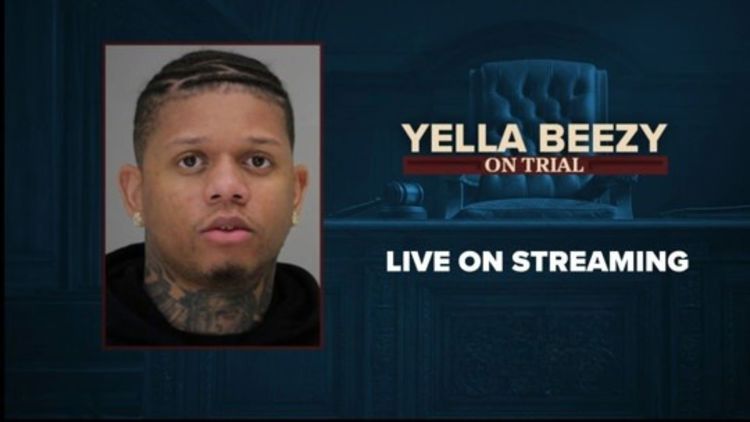
As the sun rose over McKinney this morning, the atmosphere outside the courtroom was charged with anticipation. Family members and friends of the late rapper Mo3 gathered, their faces a mix of hope and sorrow. Today marks day six of the testimony in the high-profile trial surrounding the murder of the beloved Dallas artist, whose real name was Melvin Noble. The courtroom, filled with a sense of gravity, is where justice for Mo3 is sought and where the community's collective heart beats in unison.
On the morning of October 20, 2020, Mo3 was fatally shot in a brazen attack on the Interstate 35E in Dallas. The incident sent shockwaves through the local community, as fans mourned the loss of a voice that resonated with many. Now, prosecutors are working diligently to prove that Dallas rapper Yella Beezy, whose real name is Markies Conway, orchestrated this tragic event. The trial has captured the attention of not only the music community but also the broader Dallas-Fort Worth area, with many hoping for closure.
Prosecutors allege that Yella Beezy was involved in a rivalry with Mo3 that escalated into violence. The case hinges on testimony and evidence that suggest Beezy ordered a hit on Mo3, leading to the tragic events that unfolded that fateful day. With each passing day, the courtroom drama unfolds, revealing layers of complexity surrounding the case and the individuals involved.
As the trial progresses, witnesses have come forward, recounting their experiences and shedding light on the events leading up to Mo3's death. The testimony is crucial, as it aims to paint a picture of the rivalry that allegedly fueled the violence and ultimately led to the loss of a talented artist. Among the witnesses is a close friend of Mo3's who described the rapper as someone who always sought to uplift his community through his music, emphasizing that his lyrics often reflected the struggles and aspirations of those around him.
The McKinney community has been vocal in their support for Mo3's family and friends throughout this trial. Many residents remember Mo3 not just as a rapper but as a figure who embodied the struggles and triumphs of life in Dallas. His music spoke to the hearts of many, and the loss felt by his passing is palpable. Local artists have also taken to social media to express their grief and solidarity, sharing their own stories of how Mo3 inspired them.
Local community members have expressed their frustration over the violence that has plagued the music scene, hoping that this trial will serve as a turning point. "We need to see change, not just in the music industry but in our communities," said a local activist who has been attending the trial. "Mo3's legacy should inspire us to come together and find solutions to the issues we face." Activists are calling for more youth programs and community engagement initiatives to help deter violence and promote peace.
Supporters have organized vigils and gatherings, fostering a sense of unity and remembrance for Mo3. These events serve as a reminder of the impact he had on the community and the importance of addressing the underlying issues of violence and rivalry. As families come together to honor Mo3's memory, they also advocate for a future where such tragedies are less common. One such vigil, held in a local park, drew hundreds of attendees who shared their favorite Mo3 songs and memories, creating a powerful atmosphere of love and support.
Social media has also played a role in amplifying the voices of those affected by Mo3's death. Hashtags like #JusticeForMo3 have gained traction, creating a digital space for fans and supporters to express their grief and demand accountability. The community's response reflects a deep desire for healing and resolution. Many local influencers have joined the conversation, using their platforms to educate followers on the impacts of gun violence and the importance of community solidarity.
As the trial continues, the prosecution has presented various pieces of evidence that they believe link Yella Beezy to the crime. This includes testimonies from witnesses who claim to have knowledge of the rivalry between the two rappers and the events leading up to the shooting. Each witness brings a unique perspective, contributing to the larger narrative that the prosecution is trying to build. For instance, one witness, who was present during the events leading to the shooting, recounted the fear and chaos that erupted, painting a vivid picture of the day that changed so many lives.
Defense attorneys have been working equally hard to dismantle the prosecution's case. They argue that the evidence is circumstantial and that there is no direct proof linking Yella Beezy to the murder of Mo3. This back-and-forth in the courtroom is a testament to the complexity of the case and the high stakes involved. Legal experts following the trial have noted that the outcome could significantly influence how similar cases are prosecuted in the future, especially in the context of the rap community.
For families directly affected by this tragedy, the trial is more than just a legal proceeding; it represents a chance for closure and justice. Mo3's family has been present throughout the trial, often seen exchanging glances of solidarity and support. Their strength in the face of such heartache is commendable, and their desire for justice is palpable. Family members have been vocal about their hope that the trial will serve as a catalyst for change, inspiring others to come forward and share their stories of loss and resilience.
The emotional toll of the trial extends beyond the immediate families, affecting friends, fans, and the wider community. Each day in court serves as a reminder of the fragility of life and the impact of violence. Many hope that the outcome of this trial will lead to a renewed commitment to addressing the issues that contribute to such tragedies. Community leaders are already discussing potential initiatives that could emerge from this trial, including workshops and forums aimed at educating young people about conflict resolution and the dangers of gang involvement.
As testimony resumes today, all eyes are on the courtroom, where the fate of Yella Beezy hangs in the balance. The trial is expected to continue for several more days, with additional witnesses scheduled to take the stand. Each testimony has the potential to shift the narrative and influence the jury's decision. Legal analysts indicate that the trial could last several weeks, depending on the volume of evidence and the complexity of witness testimonies.
The community remains hopeful that justice will prevail and that Mo3's legacy will be honored through positive change. As McKinney residents rally around the memory of the late rapper, they are reminded of the importance of unity, compassion, and the power of music to bring people together. Local businesses have begun to show their support by displaying #JusticeForMo3 signs, further solidifying the community's commitment to healing and progress.
In the coming weeks, as the trial unfolds, the community will continue to stand together, advocating for a future free from violence and filled with love and support for one another. The story of Mo3 is not just a tragic tale but a call to action for all of us to reflect on our values and the impact we can have on those around us. As the trial progresses, many are hopeful that it will not only bring justice for Mo3 but also spark a larger conversation about the need for change within the local music scene and beyond.
By Rafael Ortega
By Julia Ramirez
By Julia Ramirez
By Julia Ramirez