
Government
Texas election results: Dallas voters weigh in on Prop A and a $443M bond for new police facilities
By Marcus Holloway
Advertisement · Why this ad?
Shayla Patel is a sports reporter with a Master's in Sports Management from Southern Methodist University. She has worked for ESPN Radio and other local outlets, focusing on grassroots sports and women’s athletics in McKinney for the past five years.
More from Shayla →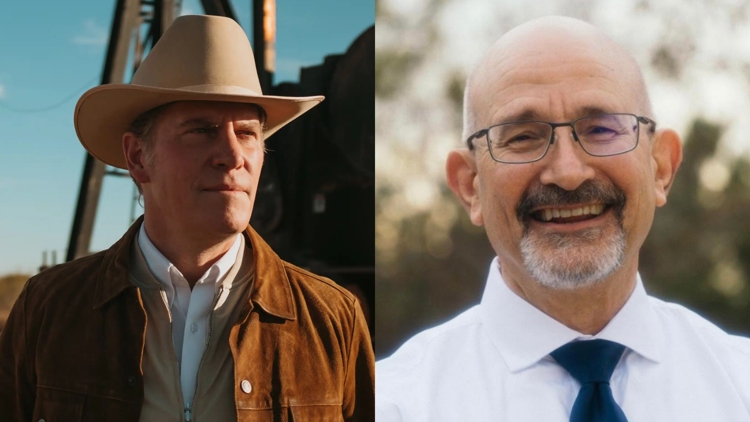
As the sun set over McKinney, Texas, the air buzzed with anticipation. Residents gathered at local coffee shops and community centers, their conversations centered around the upcoming election. Among the candidates vying for a pivotal role in shaping Texas's energy future are Bo French and Jon Rosenthal, both aiming for a seat on the Texas Railroad Commission.
The Texas Railroad Commission, despite its name, has little to do with railroads today. Instead, it plays a crucial role in regulating the state's energy industry, overseeing oil and gas production, and ensuring the safety of the environment. With Texas being the leading oil and gas producer in the nation, the commission's decisions significantly impact not just the economy but the daily lives of Texans.
In recent years, the commission has faced scrutiny over its handling of environmental regulations and the management of energy resources, especially following the devastating winter storm in February 2021. This event highlighted the vulnerabilities in Texas's energy infrastructure and brought energy regulation to the forefront of political discourse.
As the election approaches, candidates French and Rosenthal are positioning themselves to address these pressing issues. French, a Republican, has emphasized the importance of deregulation to foster growth in the energy sector. In contrast, Rosenthal, a Democrat, advocates for stronger environmental protections and transparency in the commission's operations.
Bo French, a seasoned businessman, has built his platform around the idea of energizing Texas through deregulation. He believes that reducing government intervention will lead to innovation and investment in the energy sector. French's campaign focuses on creating jobs and boosting the economy, appealing to those who prioritize economic growth over environmental concerns.
On the other hand, Jon Rosenthal brings a legislative background to the table. As a state representative, he has championed various environmental initiatives and has been vocal about the need for accountability in the energy sector. Rosenthal's campaign emphasizes the importance of balancing energy production with environmental stewardship, resonating with voters who are increasingly concerned about climate change and its implications for Texas.
Both candidates have been actively engaging with the McKinney community, attending town hall meetings and forums to share their visions and answer questions from constituents. French's supporters appreciate his business acumen and vision for a thriving energy economy, while Rosenthal's followers value his commitment to environmental issues and community welfare.
Many residents have reported feeling more connected to the electoral process as a result of these engagements. Local resident Linda Tran shared her experience attending a town hall hosted by Rosenthal, stating, “It was refreshing to see someone who genuinely cares about our community’s future. He took the time to listen to our concerns about pollution and energy costs.”
The contrast between the candidates' approaches reflects a broader debate within Texas about the future of energy regulation. Voters are faced with a critical choice: continue down a path of deregulation or embrace a more regulated approach that prioritizes sustainability.
As the election draws near, local leaders and organizations are weighing in on the candidates. The McKinney Chamber of Commerce has expressed support for French, citing his plans to stimulate job growth and bolster the local economy. Chamber President Tom Hargrove noted, “Bo French understands what it takes to keep Texas competitive. His focus on deregulation could attract more businesses to our area.”
Conversely, environmental advocacy groups in McKinney have rallied behind Rosenthal. Environment Texas, a local nonprofit, has launched a campaign to inform residents about the importance of voting for candidates who prioritize environmental protections. “We believe that a sustainable future is essential for our community’s health and economic stability,” said the group’s director, Sarah Patel.
For residents of McKinney, the outcome of this election could have significant implications. As a rapidly growing city, McKinney is at the crossroads of development and environmental sustainability. The decisions made by the Texas Railroad Commission will influence local energy prices, job opportunities, and the overall health of the environment.
Residents are encouraged to educate themselves about the candidates and their positions, as the commission's work affects everything from home energy costs to local environmental initiatives. The importance of this election cannot be overstated, as it will determine the direction of Texas's energy policy for years to come.
Community members express a range of opinions about the candidates and their platforms. Many support French's vision of economic growth, believing that a deregulated market will attract more businesses to Texas. “We need to keep Texas competitive,” said local business owner Maria Gonzalez. “Deregulation has worked for us in the past, and I think it can continue to do so.”
Conversely, others resonate with Rosenthal's call for environmental responsibility. “We can’t ignore the impact of climate change,” remarked retired teacher James McAllister. “I believe we need leaders who will prioritize our planet and future generations.” These sentiments reflect a growing awareness among McKinney residents of the delicate balance between economic development and environmental protection.
As the election day approaches, both candidates are ramping up their campaigns, with a focus on reaching undecided voters. Early voting is set to begin soon, and both French and Rosenthal are working tirelessly to ensure their messages resonate with the electorate.
For McKinney residents, this election is not just about the candidates but about the future of their community and the values they hold dear. With the stakes higher than ever, the choices made at the ballot box will shape the energy landscape of Texas, impacting families and businesses alike.
As the community prepares for this pivotal election, it’s essential for voters to stay informed and engaged. The Texas Railroad Commission plays a critical role in the lives of Texans, and the decisions made by its commissioners will have lasting effects on the economy, environment, and overall quality of life.
After the election, the newly elected commissioner will face immediate challenges, including addressing the ongoing concerns about the state’s energy grid and implementing policies that reflect the will of the voters. Both candidates have outlined their plans for their first 100 days in office, with French focusing on deregulation initiatives and Rosenthal emphasizing the need for comprehensive environmental reviews.
The commission's decisions will not only affect energy prices but also influence infrastructure development and investment in renewable energy sources. McKinney, with its burgeoning population and increasing energy demands, will be closely watching how these policies unfold. Local environmental groups are preparing to mobilize their members to advocate for sustainable practices, while business leaders are keen to ensure that economic growth remains a priority.
As residents of McKinney head to the polls, they do so with the understanding that their votes will have a profound impact on the future of their city and the state. The community's engagement and activism will be crucial in holding the new commissioner accountable to the promises made during the campaign.
By Marcus Holloway

By Marcus Holloway
By Julia Ramirez
By Rafael Ortega